
Quality Is the Sum of Everything
Quality in architecture is the cumulative result of good decisions, clear communication and consistent care, from the first conversation to the finished building.
A few years ago, I gave a presentation to a group of construction T-level students. Its central theme was simple: quality and care should be at the heart of everything we do.
The presentation drew on Robert Pirsig’s Zen and the Art of Motorcycle Maintenance, including the line:
“A person who sees Quality and feels it as they work is a person who cares.”
That connection between quality and care is important. Quality is not simply a standard against which the finished building is judged. It is created through the care brought to every stage of the work.
What does quality mean in architecture?
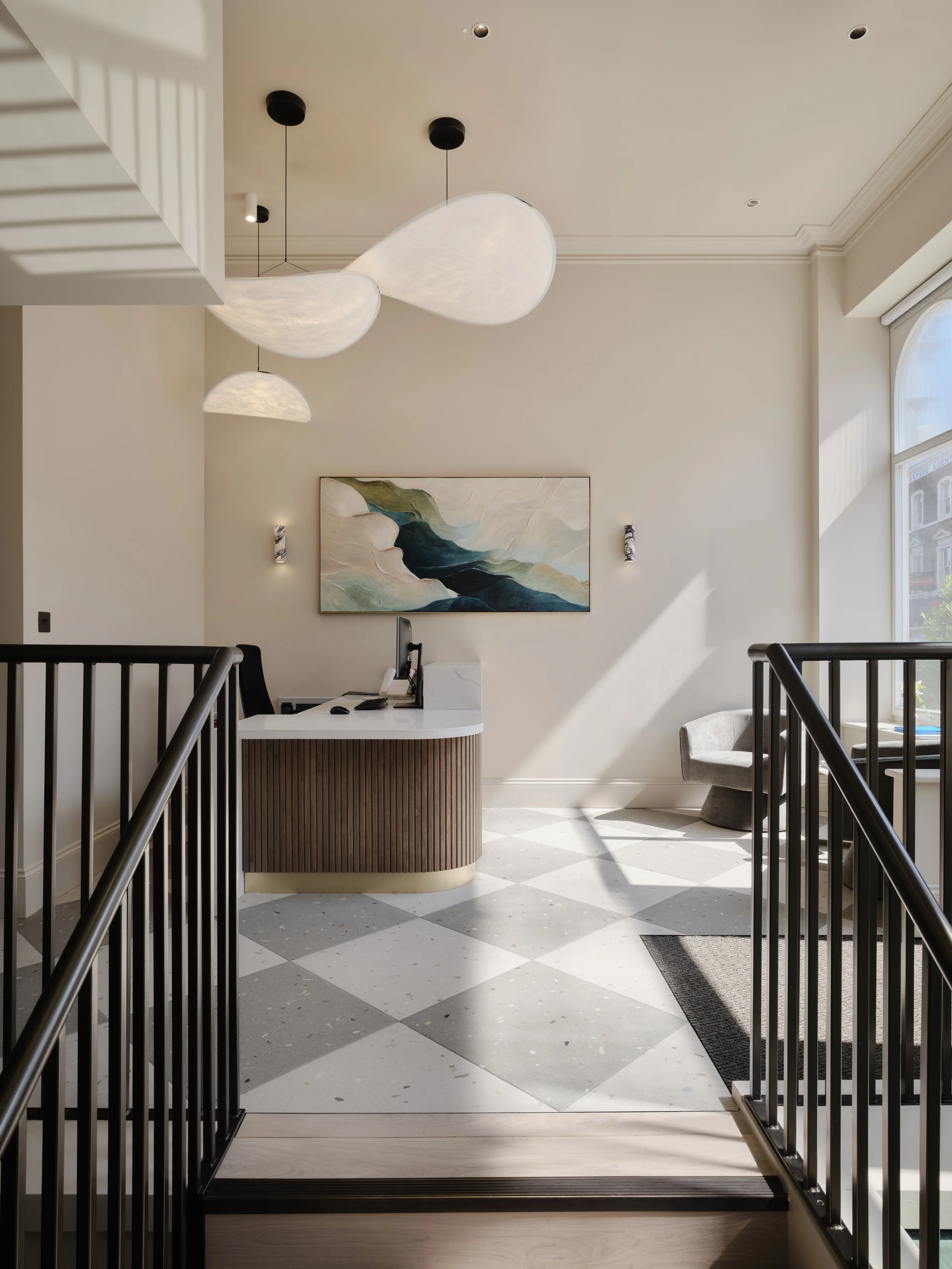
In architecture and construction, quality is often associated with the most visible parts of a building: materials, details, finishes and snagging. These things matter, but they are only the final expression of a much longer process.
Quality begins with listening carefully to the client and asking the right questions. It continues through an accurate survey, a thoughtful design, coordinated drawings, clear specifications and well-managed construction.
It should also be present in the less celebrated parts of the job. Every email, spreadsheet, drawing, site note or WhatsApp message has a purpose. It does not need to be unnecessarily polished or formal, but it should be given enough care to make that purpose clear.
Poor information creates uncertainty. Uncertainty leads to assumptions, delays, abortive work and awkward decisions on site. A clear message sent at the right time can contribute just as much to the quality of the finished building as a carefully resolved detail.
Quality under pressure
One of the diagrams in the presentation placed quality at the centre of several competing influences: time, money, control, working conditions, skill, experience and effort.
That reflects the reality of construction. Projects rarely have unlimited budgets or programmes, and quality does not mean pursuing perfection regardless of cost.
It requires judgement. A simple, robust solution which has been properly considered and well executed can have far more quality than an expensive or elaborate one which is unsuitable, poorly coordinated or difficult to maintain.
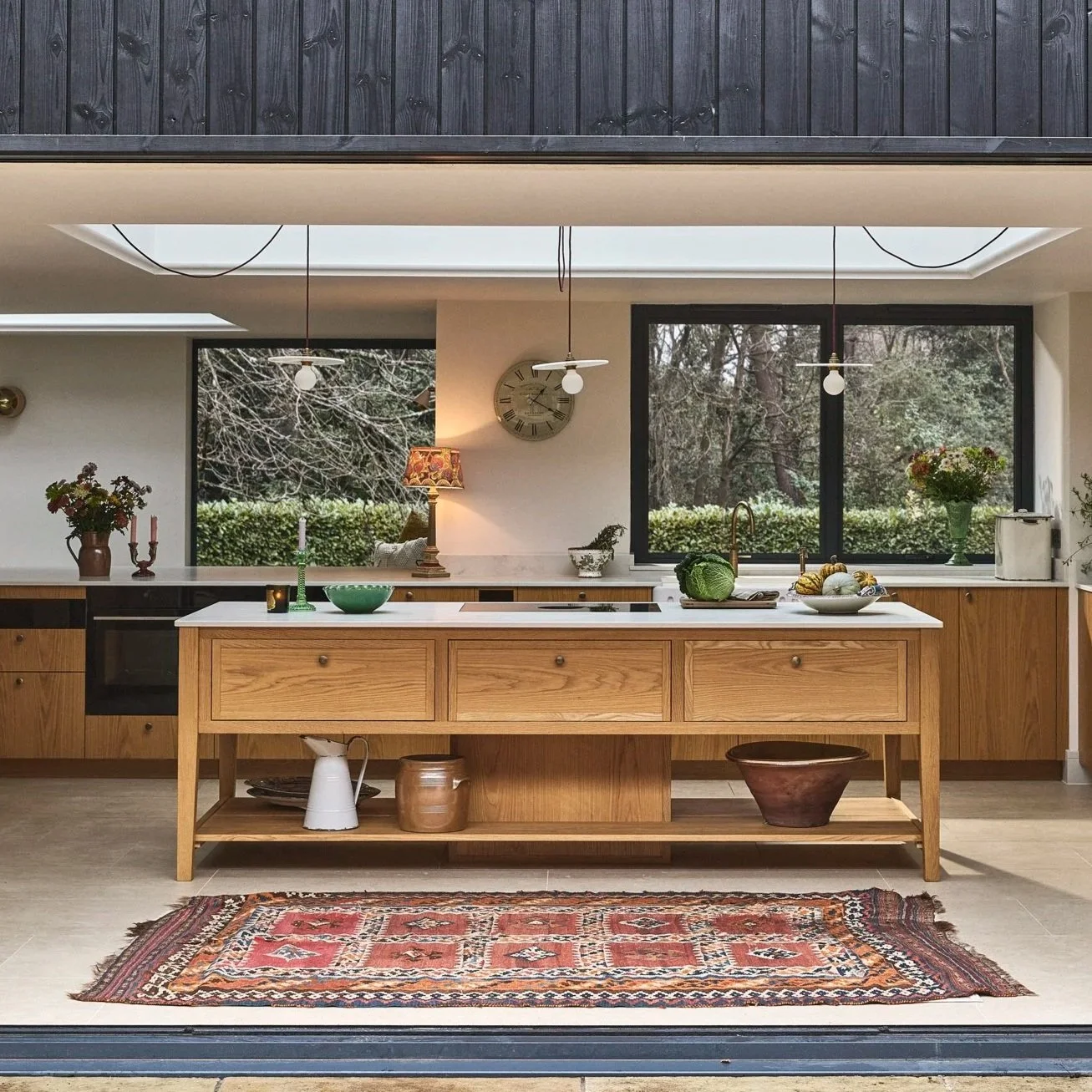
Care means understanding where effort and expenditure will make a meaningful difference. It also means creating the conditions in which people can do their best work. Communication, organisation, welfare and the atmosphere within the project team all influence the eventual result.
Establishing the benchmark
Architects are often challenged when identifying an item of workmanship as not being good enough, particularly where the issue is marginal or might pass unnoticed in isolation.
The concern is not always that single item. Once a lower standard is accepted, it risks becoming the benchmark for everything that follows.
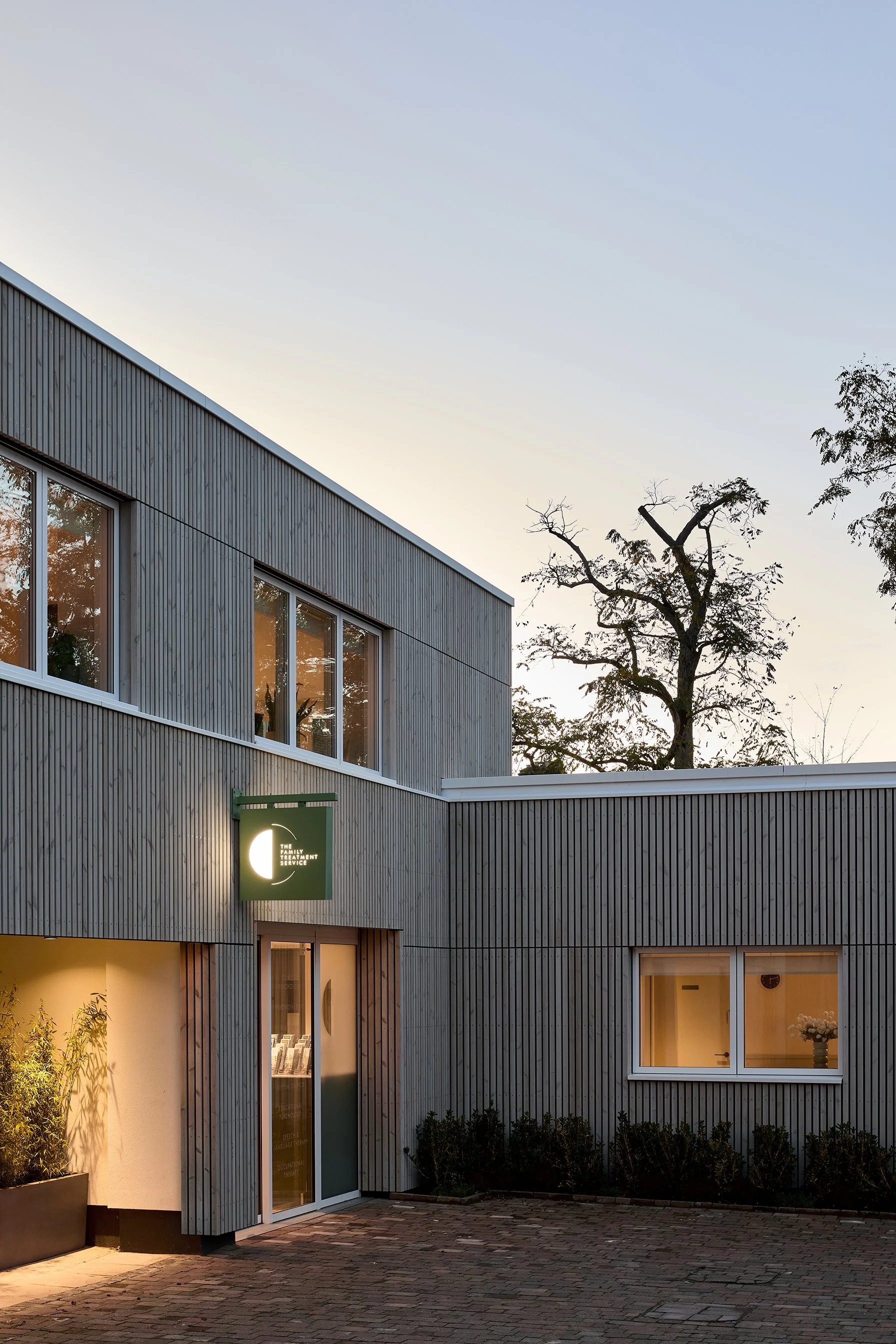
One slightly misaligned element may not materially affect the building. If the same tolerance is repeated across the project, however, the cumulative effect becomes apparent. People may not be able to identify every imperfection, but they can usually sense whether a building has been carefully resolved.
The finished building is the sum of thousands of individual decisions, conversations and actions. Consistently accepting things that are nearly right ultimately produces a building which feels nearly right.
A shared duty of care
The presentation also explored the architect’s duty of care: to the client, the people constructing and using the building, the profession, society and the wider world.
Quality therefore cannot be the responsibility of one person, nor can it be inspected into a building at the end. It has to be part of the culture of the project from the outset.
At the end of the presentation, the students were asked to imagine themselves as the contractor and explain how they would deliver quality. That change of perspective was important. It moved the conversation away from simply identifying or judging quality and towards the practical question of how it is achieved.
It requires everyone involved to take responsibility for their contribution, communicate clearly, raise questions early and care about the work they produce.
At Host, we try to bring that care to every stage of a project, from the first conversation to the final inspection. Not through the pursuit of perfection for its own sake, but by protecting the quality of the whole.
Quality is not something added at the end. It is the sum of everything.

James Gunn is an architect and director of Host Architecture, a RIBA Chartered Practice based in Wimbledon, working across residential, commercial and education projects.
If you would like to discuss a project, please get in touch.